
Paul Doney, OMS-II1; Adam Youssef, OMS-II1; Cameron Ballard, OMS-II1; Dryden Dalbey, OMS-II1; Michael Hubbard, D.O.2
1Kansas City University College of Osteopathic Medicine, Joplin, MO
2Mercy Clinic Orthopedics, Pittsburg, KS
ABSTRACT
Background
Popliteal artery entrapment syndrome (PAES) is a rare vascular disorder caused by extrinsic compression of the popliteal artery, most often affecting young, physically active individuals and athletes. It is frequently misdiagnosed as chronic exertional compartment syndrome (CECS) or other lower extremity musculoskeletal conditions, resulting in delays in definitive treatment and prolonged time away from activity. The purpose of this systematic review was to evaluate surgical outcomes and return-to-sport reporting in young and active patients with anatomically confirmed PAES.
Methods
We conducted a systematic review of case reports and small case series published from 2015 through 2025, focusing on surgically managed anatomical PAES (Types I–V) in active individuals aged 15 to 40 years. Functional PAES (Type VI) cases were excluded. Extracted variables included demographic characteristics, PAES subtype, surgical technique, clinical recovery, complications, follow-up, and explicitly documented return-to-sport (RTS) outcomes. Methodological quality was assessed using the Joanna Briggs Institute Critical Appraisal Checklist for Case Reports [22].
Results
Fourteen studies comprising 15 patients with anatomically confirmed PAES met the inclusion criteria. Patients ranged from 15 to 36 years of age, with a predominance of male patients. Surgical management included decompression alone or decompression with arterial reconstruction when vascular injury was present. Clinical recovery, defined as documented symptom resolution or absence of recurrent ischemic symptoms, was reported in most patients. Explicit return to sport was documented in four patients, including return to baseball, lacrosse, amateur football, and competitive hockey, while sport-specific outcomes were not reported in the remaining cases despite favorable clinical recovery.
Conclusion
Surgical management of anatomical PAES was associated with favorable clinical outcomes in young, active individuals. However, sport-specific return-to-sport outcomes were inconsistently reported, limiting assessment of postoperative athletic recovery. Standardized reporting of functional and sport-specific outcomes is needed to better characterize return to activity following surgical treatment.
Keywords: Popliteal artery entrapment syndrome; athletes; vascular compression; surgical decompression; return-to-sport; lower extremity ischemia
Introduction
Popliteal artery entrapment syndrome (PAES) is a rare vascular disorder characterized by compression of the popliteal artery by surrounding musculotendinous or fibrous structures within the popliteal fossa. This compression can lead to decreased blood flow during exercise and may result in vascular injury including stenosis, thrombosis, aneurysm formation, or distal embolization [1,2].
PAES most commonly affects young, physically active individuals such as athletes, military personnel, and others who engage in repetitive lower extremity activity, including running, cycling, or jumping. These individuals typically lack traditional atherosclerotic risk factors, and symptoms usually arise in association with exertion [3,4]. Anatomical PAES is classified into Types I through V, based on the anatomic relationship between the popliteal artery, the medial head of the gastrocnemius, and fibrous structures. In contrast, Type VI describes functional PAES, where dynamic compression occurs without an apparent underlying anatomical abnormality [2].
Return-to-sport (RTS) outcomes are particularly important in the context of this patient population due to their high level of activity. Early diagnosis and timely intervention have been associated with higher rates of return to full athletic activity, underscoring the value of accurate diagnosis and prompt management in this patient population [5,6].
PAES is frequently either underrecognized or misdiagnosed. Symptoms such as exertional calf pain, muscle tightness, cramping, paresthesias, or claudication often mimic more common causes of lower extremity discomfort in young patients such as chronic exertional compartment syndrome (CECS), tibial stress fractures, nerve entrapment syndromes, or other musculoskeletal overuse injuries [1,7,8]. Due to this diagnostic overlap, patients may experience substantial delays in diagnosis and treatment.
Delayed recognition of PAES may lead to progressive arterial damage, resulting in more advanced disease that necessitates complex surgical interventions such as bypass grafting or thrombectomy [1,2]. Chronic compression of the artery can cause endothelial injury, turbulent blood flow, and progressive stenosis, eventually resulting in fibrosis, post-stenotic dilatation, thrombosis, embolization, or even aneurysm formation. If this condition remains untreated, these changes may progress to limb-threatening ischemia. Patients with delayed diagnosis often face longer rehabilitation, reduced RTS rates, and higher complication rates compared to those treated earlier. These risks highlight the importance of timely diagnosis and appropriate surgical management to prevent irreversible damage, preserve limb function, and allow this population to return to activity in a timely manner.
Surgical intervention remains the gold standard treatment for anatomical PAES. In cases identified earlier, decompression of the popliteal artery via myomectomy—typically involving excision of the medial head of the gastrocnemius—or release of fibrous bands is usually sufficient for relief. In patients with chronic arterial damage, more extensive interventions, including vein bypass or thrombectomy, may be required to restore distal perfusion and avoid ischemic complications [1,9].
Despite variability in surgical approaches based on disease severity, outcomes are generally favorable. High rates of symptom resolution, functional recovery, and return to activity levels have been reported across multiple case series and observational studies [2,6]. Young, athletic patients, in particular, have demonstrated excellent postoperative outcomes when treated with timely and appropriate surgical strategies.
Although current published case reports and small series have described the surgical management of PAES, the existing literature remains inconclusive. Most studies are limited by small sample sizes, non-uniform case documentation, and a lack of uniform outcome measures, particularly regarding return-to-sport rates in active individuals. To address these gaps, we conducted a systematic review of published case reports and small case series to consolidate patient-level data, characterize surgical management strategies, and evaluate outcomes in young, active individuals undergoing operative treatment for anatomical PAES.
| PAES Type | Anatomical Description |
| Type I | Popliteal artery has an aberrant medial course around a normally positioned medial gastrocnemius (MHG). |
| Type II | Popliteal artery has a normal course, but the medial head of the gastrocnemius has an anomalous lateral origin, causing the artery to pass medial and beneath the muscle. |
| Type III | An accessory slip of the MHG compresses the popliteal artery. |
| Type IV | Popliteal artery is entrapped by the popliteus muscle or fibrous bands deep within the popliteal fossa. |
| Type V | Both the popliteal artery and vein are entrapped by surrounding musculotendinous structures. |
Table 1. Classification of anatomical popliteal artery entrapment syndrome (PAES) based on the relationship between the popliteal artery and surrounding musculotendinous structures. Types I–V represent true anatomical variants. Type VI describes functional PAES without fixed anatomical abnormalities and was excluded from this review.
Methods
Search Strategy
A systematic literature search was conducted using PubMed, Embase, and Scopus to identify case reports and small case series published in English from 2015 through 2025. The search targeted active individuals aged 15 to 40 years with anatomical popliteal artery entrapment syndrome (PAES; Types I–V) confirmed by imaging modalities such as computed tomography angiography (CTA), magnetic resonance angiography (MRA), or duplex ultrasound.
Inclusion and Exclusion Criteria
Studies were included if they met the following criteria: patients aged 15 to 40 years; participation in athletic, military, or physically active occupations or activities; confirmed diagnosis of anatomical PAES (Types I–V) based on imaging and intraoperative findings; surgical intervention for treatment; and documentation of postoperative outcomes including return to sport (RTS), clinical recovery, complications, or follow-up status.
Studies were excluded if they described functional or nonanatomical PAES (Type VI), involved nonsurgical treatment approaches, included sedentary or older patients, relied on registry-level data without individual patient information, or were limited to abstracts or conference proceedings without sufficient clinical detail.
Study Selection
Screening was performed by reviewing titles and abstracts, followed by full-text evaluation of all potentially eligible studies. Duplicate records were removed prior to screening. A PRISMA flow diagram was constructed to summarize the study identification, screening, and selection process.
Data Extraction and Analysis
For each included patient, the following variables were extracted: age, sex, activity or sport, PAES subtype, laterality, presenting symptoms, imaging modality, surgical procedure, postoperative clinical outcome, complications, follow-up duration, and return-to-sport status. Clinical recovery was defined as documented symptom resolution or absence of recurrent ischemic symptoms at follow-up.
Return to sport was recorded only when the original report explicitly documented resumption of a named sport or return to the patient’s baseline high-level athletic activity. Full RTS was defined as return to the same sport at the pre-symptom or baseline level. Modified RTS was defined as return to the same sport at a reduced level, with restrictions, or with persistent limitations. Athletic level was categorized as recreational or competitive when sufficient information was provided in the original report. Cases describing symptom improvement, return to normal daily activity, or nonspecific physical activity without a documented sport-specific outcome were categorized as RTS not reported. Detailed RTS outcomes are provided in Supplementary Table S2.
Due to the case-based nature of the data and the heterogeneity of reporting across studies, only descriptive statistics were performed. Categorical variables were summarized using counts and percentages, while continuous variables were summarized using means and ranges.
Quality Appraisal
Methodological quality of the included case reports was assessed using the Joanna Briggs Institute Critical Appraisal Checklist for Case Reports [22]. The checklist evaluates eight domains: patient demographics, clinical history and timeline, description of the presenting condition, diagnostic assessment, therapeutic intervention, postintervention clinical condition, adverse or unanticipated events, and the principal lessons provided by the report. Each domain was categorized as “Yes,” “No,” “Unclear,” or “Not applicable,” based on the information reported in the original article. Appraisal findings were used to characterize the completeness and quality of reporting rather than as a basis for study exclusion. Detailed study-level assessments are provided in Supplementary Table S1.
Ethics Statement
This study utilized previously published data and did not involve human subjects; therefore, institutional review board approval was not required.
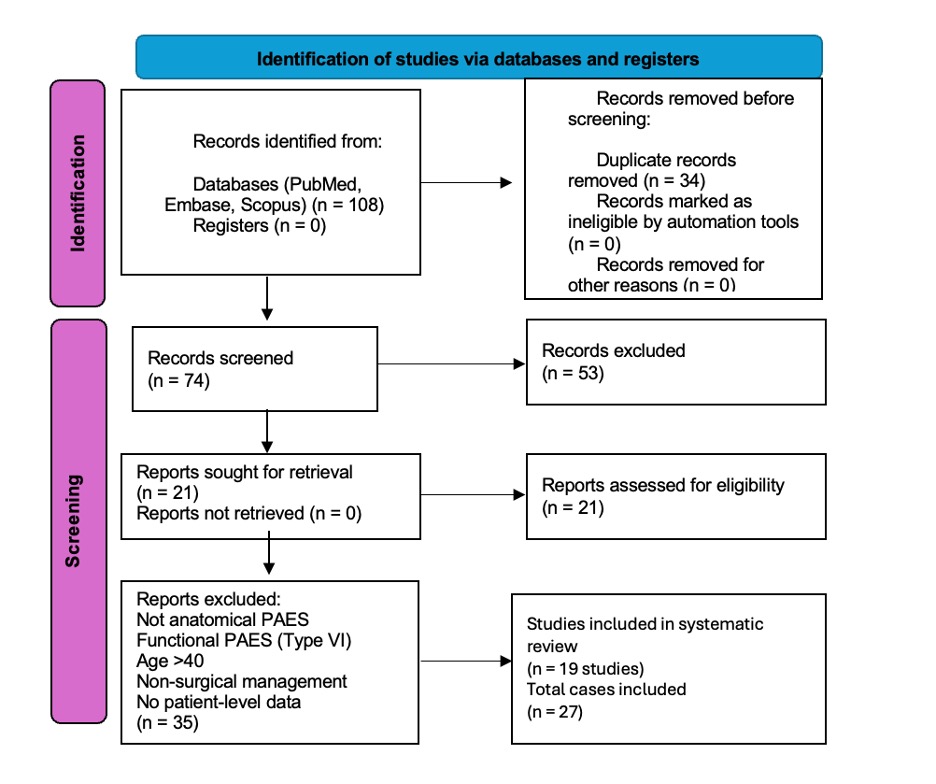
Figure 1. PRISMA flow diagram detailing the article screening and selection process.
Results
A total of 14 studies comprising 15 surgically managed patients with anatomical PAES met the inclusion criteria. Patients ranged from 15 to 36 years of age, with a predominance of male patients. Reported activities included competitive and recreational athletics as well as other physically active occupations.
Anatomical subtype distribution
Anatomical PAES subtypes included Types I through V, with Type II and Type IV representing the most frequently reported variants in the final cohort. All included patients had anatomically confirmed PAES; cases of functional PAES and patients outside the predefined age range were excluded.
Surgical management
Surgical treatment consisted of decompression alone in patients without irreversible arterial injury and decompression combined with arterial reconstruction or bypass in patients with thrombosis, occlusion, pseudoaneurysm, or other structural vascular compromise. Surgical approach varied according to intraoperative findings.
Clinical outcomes and return to sport
Postoperative outcomes were generally favorable. Clinical recovery, defined as documented symptom resolution or absence of recurrent ischemic symptoms, was reported in the majority of patients. Explicit return to sport was documented in four patients, including return to baseball, lacrosse, amateur football, and competitive hockey. In the remaining cases, return-to-sport status was not explicitly reported despite documentation of clinical improvement or continued postoperative follow-up.
Quality Appraisal
Methodological reporting quality was generally high across the included case reports. Most studies adequately described patient demographics, clinical history and timeline, presenting clinical features, diagnostic assessment, therapeutic intervention, and postintervention outcomes. Reporting of adverse or unanticipated events was less consistent across reports. Detailed study-level appraisal results are presented in Supplementary Table S1.
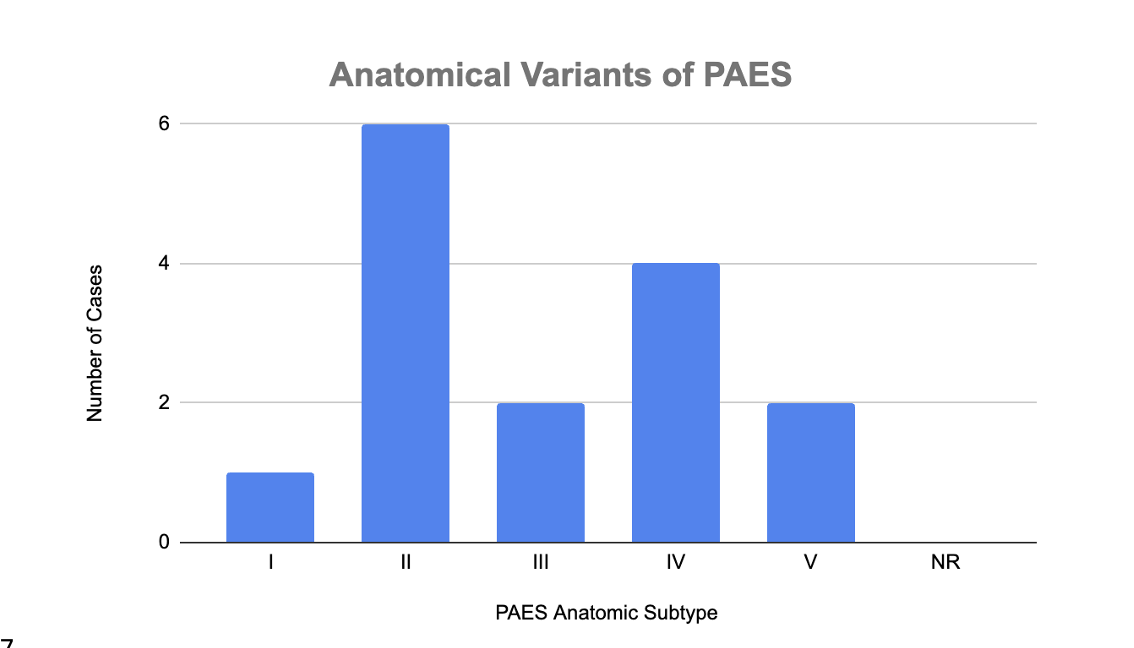
Figure 2. Distribution of anatomical popliteal artery entrapment syndrome subtypes among the 15 included patients. Type II was the most frequently reported subtype (n = 6), followed by Type IV (n = 4), Types III and V (n = 2 each), and Type I (n = 1).
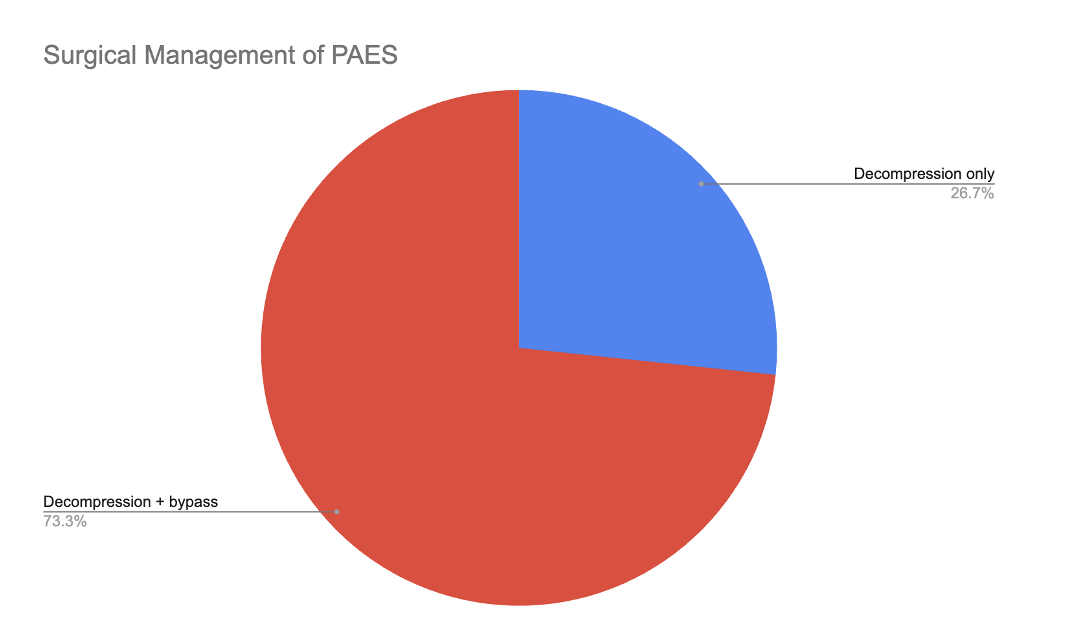
Figure 3. Surgical management of anatomical popliteal artery entrapment syndrome. Decompression combined with arterial reconstruction or bypass was performed in 11 patients (73%), while decompression alone was performed in 4 patients (27%).
| Study | Age | Sex | Activity | PAES Type | Laterality | Surgery | Follow-up | Explicit RTS | Symptom Resolution |
| Abu Al-Tayef, 2021 | 36 | M | Runner/Weightlifter | III | Unilateral | Decompression + bypass | 3 months | No | Yes |
| Ali, 2018 | 35 | M | Active individual | II | Unilateral | Decompression | 24 months | No | Yes |
| Ammar, 2021 | 17 | F | Basketball player | V | Unilateral | Decompression + bypass | 6 months | No | Yes |
| Bi, 2024 | 17 | M | Active individual | II | Bilateral | Decompression + great saphenous vein bypass | 24 months | No | Yes |
| Bo, 2024 | 31 | M | Amateur football player | IV | Unilateral | Fibrous band release + lesion resection + great saphenous vein bypass | 12 months | Yes | Yes |
| Clifford, 2017 (Patient 1) | 19 | M | NR | II | Unilateral (Left) | Decompression + popliteal artery resection + reversed long saphenous vein interposition graft | NR | No | Yes |
| Clifford, 2017 (Patient 2) | 24 | M | NR | II | Unilateral (Right) | Decompression + popliteal artery resection + reversed short saphenous vein interposition graft | NR | No | Yes |
| Czikk, 2025 | 20 | M | Competitive hockey player | II | Unilateral (Right) | Medial gastrocnemius lysis + popliteal artery resection + reversed saphenous vein bypass + tibial thrombectomy | 24 months | Yes | Yes |
| Henry, 2015 | 15 | M | NR | IV | Unilateral | Osteochondroma excision + arterial release (decompression) | 6 weeks | No | Yes |
| Huang, 2020 | 19 | M | Baseball pitcher | II | Unilateral (Left) | Decompression + popliteal artery resection + small saphenous vein graft | NR | Yes | Yes |
| Kim, 2023 | 36 | M | Athlete | V | Unilateral (Left) | Posterior myotomy + pseudoaneurysm resection + great saphenous vein interposition graft | 96 months | No | Yes |
| Kumar, 2020 | 16 | M | Athletic adolescent | I | Unilateral (Left) | Thrombolysis + embolectomy + decompression + reversed saphenous vein reconstruction | NR | No | Yes |
| Lucarelli, 2017 | 27 | M | Farmer | IV | Unilateral (Right) | Osteochondroma resection + popliteus fibrous band release (decompression) | NR | No | Yes |
| Sadri, 2022 | 15 | M | Lacrosse player | III | Bilateral | Posterior decompression + accessory gastrocnemius band release | 6 weeks | Yes | Yes |
| Wady, 2018 | 30 | F | Runner | IV | Unilateral (Right) | Entrapment release + popliteal-to-popliteal bypass | 3 weeks | No | Yes |
Table 2. Summary of included case reports. Each case includes patient age, sex, activity type, PAES classification, laterality, surgical approach, follow-up duration, return-to-sport status, and clinical recovery.
Discussion
This systematic review demonstrates that surgical management of anatomical popliteal artery entrapment syndrome (PAES) in young and active individuals is generally associated with favorable clinical outcomes. Across the 14 included studies comprising 15 patients, most patients experienced documented clinical recovery following operative treatment. These findings support surgical intervention as an effective treatment strategy when anatomical PAES is accurately identified and appropriately managed.
Anatomical PAES Types I through V were represented in the final cohort, with Type II and Type IV identified most frequently. Although all anatomical variants may produce exertional ischemic symptoms, the mechanism of compression differs according to the underlying anatomical relationship between the popliteal artery and surrounding musculotendinous structures. Recognition of these variants remains important for operative planning and appropriate surgical decompression.
Surgical management strategies varied depending on the degree of arterial compromise identified intraoperatively. Decompression with bypass was performed slightly more frequently than decompression alone in this cohort, reflecting the presence of arterial injury, thrombosis, or structural compromise requiring reconstruction. In patients identified before fixed arterial damage developed, myomectomy or release of the compressive structures was generally sufficient; however, when chronic compression resulted in arterial degeneration, thrombosis, or occlusion, arterial reconstruction or autologous vein bypass was required to restore distal perfusion [1,17].
Although clinical recovery was frequently documented, explicit return to sport was reported in only four cases. Reported outcomes included return to baseball, lacrosse, amateur football, and competitive hockey, with return timelines ranging from 6 weeks to approximately 6 months when specified. Most case reports emphasized vascular patency and symptom resolution without describing postoperative athletic performance, rehabilitation progression, or time to return to sport. Consequently, the absence of documented RTS should not be interpreted as failure to resume athletic activity, but rather as a limitation of outcome reporting within the available literature.
Although clinical recovery was commonly reported, explicit return-to-sport (RTS) outcomes were documented in only four patients. Reported RTS included return to baseball, lacrosse, amateur football, and competitive hockey. Most case reports emphasized restoration of vascular patency and symptom resolution without describing postoperative athletic performance, rehabilitation progression, or time to return to sport. Consequently, the absence of documented RTS should not be interpreted as failure to resume athletic activity, but rather as a limitation of outcome reporting within the available literature.
Despite the favorable outcomes observed in this review, the current literature on PAES remains limited. Most available evidence consists of isolated case reports or small case series with heterogeneous reporting standards. Variability in diagnostic methods, imaging modalities, surgical techniques, and follow-up duration makes direct comparison between studies difficult. Additionally, publication bias may favor reporting of successful surgical outcomes, potentially overestimating overall recovery rates.
Nevertheless, the findings of this review highlight the importance of early recognition and surgical intervention in young patients presenting with exertional lower extremity symptoms. Because PAES frequently mimics other causes of exercise-induced leg pain, such as chronic exertional compartment syndrome or stress-related musculoskeletal injuries, a high index of suspicion is required in active individuals without traditional vascular risk factors. Prompt diagnosis and appropriate surgical treatment may prevent progressive arterial damage and allow patients to return to their prior level of activity.
Limitations
This review is limited by the case-report and small case-series design of the available evidence, resulting in a modest sample size and substantial heterogeneity in diagnostic evaluation, surgical management, follow-up duration, and outcome reporting. The JBI appraisal demonstrated generally complete reporting of patient characteristics, clinical presentation, diagnostic assessment, intervention, and postoperative condition; however, adverse events, rehabilitation protocols, long-term follow-up, and sport-specific outcomes were inconsistently described. Publication bias may also favor reports of successful surgical outcomes and therefore overestimate clinical recovery. Because RTS was recorded only when explicitly documented, the absence of a reported sport-specific outcome should not be interpreted as failure to resume athletic activity. These limitations precluded meaningful comparison between surgical techniques and highlight the need for prospective studies using standardized clinical, functional, and RTS outcome measures.
Conclusion
Surgical management of anatomical popliteal artery entrapment syndrome was associated with generally favorable clinical recovery in young, active individuals. However, sport-specific return-to-sport outcomes were infrequently and inconsistently reported, limiting conclusions regarding postoperative athletic recovery. Future studies should incorporate standardized reporting of return timing, preoperative and postoperative activity level, rehabilitation progression, and full versus modified return to sport.
Acknowledgments
The authors thank a research librarian for assistance in refining the literature search strategy.
Artificial intelligence tools (ChatGPT by OpenAI) were used to assist with grammar, formatting, and organization of the manuscript. All data analysis, interpretation, and writing decisions were made by the authors.
Ethical and Transparency Statements
IRB/Ethics Approval or Exemption
This study was a systematic review of previously published literature and did not involve direct human subject participation or access to identifiable patient information. Institutional Review Board approval was not required.
Consent to Participate
Not applicable.
Consent for Publication
Not applicable.
Conflict of Interest
The authors declare that they have no conflicts of interest related to this work.
Funding
The authors received no financial support for the research, authorship, or publication of this manuscript.
Supplementary Materials
Supplementary Table S1. Joanna Briggs Institute critical appraisal of included case reports.
Supplementary Table S2. Explicitly reported return-to-sport outcomes following surgical management of anatomical popliteal artery entrapment syndrome.
REFERENCES
- Abu Al-Tayef TA, Rziki A, Rasras H, El Mahi O, Benzirar A. Popliteal artery entrapment syndrome: a case report with literature review. Pan Afr Med J. 2021;39:80. doi:10.11604/pamj.2021.39.80.27536
- Ali AM, Al-Fadhli W, Debakey M, et al. Suprageniculate approach to release of popliteal entrapment without distal bypass despite preoperative runoff thrombosis. Ann Vasc Surg. 2018;46:206.e5-206.e10. doi:10.1016/j.avsg.2017.12.038
- Ammar A, Smida M, Daghfous MS. About a rare cause of calf pain in an athlete: the popliteal artery entrapment syndrome (a case report). Pan Afr Med J. 2021;38(14):1-5. doi:10.11604/pamj.2021.38.14.27415
- Bi Y, Guo F. The treatment of bilateral popliteal artery entrapment syndrome with nonuniform symptoms. Chin J Vasc Surg. 2024.
- Bo L, Xiaojiong D. Case Report: COVID-19 exacerbates acute lower limb ischemia in patients with popliteal artery entrapment syndrome. Front Cardiovasc Med. 2024;11:1329863. doi:10.3389/fcvm.2024.1329863
- Clifford T, Moore J. Two otherwise healthy young brothers present with intermittent claudication, just a coincidence? BMJ Case Rep. 2017;2017:bcr-2016-218852. doi:10.1136/bcr-2016-218852
- Czikk D, Elzawy G, Jetty P, Leppard J. Popliteal artery entrapment syndrome in a 20-year-old man. CMAJ. 2025;197:E266-E270. doi:10.1503/cmaj.241083.
- Henry JC, Rodriguez HE, Chiou AC. Tibial osteochondroma causing popliteal artery entrapment syndrome. J Vasc Surg Cases Innov Tech. 2015;1(2):91-93. doi:10.1016/j.jvscit.2015.08.003
- Huang WC, Tsai MM, Chang TL, Lai CL. Popliteal artery entrapment syndrome in a young baseball pitcher: a case report. J Pain Res. 2020;13:777-781. doi:10.2147/JPR.S236306
- Kim HJ, Huh S, Kim HK. Popliteal artery entrapment syndrome presented with popliteal artery pseudoaneurysm: a case report. Vasc Specialist Int. 2023;39(1):30-34. doi:10.5758/vsi.230001
- Kumar R, Warren P, Mannava K. Popliteal artery entrapment syndrome presenting with critical limb ischemia in an adolescent. J Pediatr. 2020;217:215-215.e1. doi:10.1016/j.jpeds.2019.09.004
- Lucarelli DD, Subram A. Type IV popliteal arterial entrapment associated with an osteochondroma. J Vasc Surg Cases Innov Tech. 2017;3(2):66-68. doi:10.1016/j.jvscit.2017.02.002
- Sadri L, Myers RL, Paterson C, Lam QD, Pineda DM. Popliteal artery entrapment syndrome treated by a posterior approach in a 15-year-old athlete. J Vasc Surg Cases Innov Tech. 2022;8(2):248-250. doi:10.1016/j.jvscit.2022.03.009.
- Wady H, Altamirano E, Choudhury T, et al. Avoiding misdiagnosis: Popliteal artery entrapment syndrome with 12-year delay. Radiol Case Rep. 2018;13(5):987-992. doi:10.1016/j.radcr.2018.06.009
- Joanna Briggs Institute. JBI Critical Appraisal Checklist for Case Reports. JBI; 2020. Accessed July 22, 2026.