
Jonathan Elias BA, OMS-III1; Warren Chan MS, OMS-III1; Thomas Oliver DO2; Lothar Vidal BS, OMS-III1; Elie Christoforides BS, OMS-IV3; Aarsh Patel BS, OMS-III1; Elizabeth Ford DO4; Sean McMillan DO5
1Rowan-Virtua School of Osteopathic Medicine
2AtlantiCare Regional Medical Center
3Nova Southeastern University College of Osteopathic Medicine
4Inspira Health Network
5Virtua Health System
DOI: http://doi.org/10.70709/8t0niwdob8exg4
Abstract
Purpose
High tibial osteotomy (HTO) is used to treat pathologies of the knee, such as osteoarthritis and malalignment. The purpose of this systematic review and meta-analysis is to compare the outcomes between tourniquet versus no tourniquet (NT) use in HTO in the intraoperative and postoperative periods. We hypothesize no significant differences in outcomes between the presence and absence of a tourniquet during HTO.
Methods
A systematic review and meta-analysis were conducted following the 2020 PRISMA guidelines. PubMed, Cochrane, Embase, Web of Science, and Scopus were screened for studies comparing the use of a tourniquet versus NT during HTO. Ages, BMI, hematocrit, hemoglobin, total blood loss (TBL), operation time, postoperative DVT rates, and 1-day and 5-day postoperative calf girth, knee ROM, and VAS scores were compared.
Results
Four studies were included in the final analysis, yielding an evaluation of 157 patients in the tourniquet group and 146 patients in the NT group. Pre- and postoperative hematocrit, hemoglobin, and TBL showed no significant differences. However, the NT group portrayed longer operation times (p = 0.0102), smaller 1-day (p = 0.0429) and 5-day (p = 0.0369) calf girth, greater 1-day (p = 0.0003) and 5-day (p = 0.0013) ROM, and lower 5-day (Δ Cohen’s d = 1.17, p < 0.0001) VAS scores. The tourniquet group resulted in lower 1-day postoperative VAS scores (Δ Cohen’s d = 0.75, p < 0.0001). Postoperative DVT rates were comparable (Tourniquet = 5%, NT = 1%, p = 0.3809).
Conclusions
Not using a tourniquet during HTO resulted in a longer operation time; however, it resulted in reduced postoperative calf girth, greater knee ROM, and less pain at 5-days.
Keywords: High Tibial Osteotomy; Tourniquet; Total Blood Loss; Postoperative Recovery; Knee Osteoarthritis
Introduction
High tibial osteotomy (HTO) is a surgical intervention indicated in the treatment of several pathologies of the knee, such as medial compartment osteoarthritis (OA) and varus knee malalignment [16]. The normal anatomical load-bearing axis of the knee ranges from five to seven degrees valgus, with a neutral hip-knee-ankle angle ranging from 1.0° to 1.5° of varus [1, 17]. Typically, HTO itself involves a medial surgical approach to the proximal tibia where bone cuts are performed in order to correct the varus at the knee joint [2-5]. The procedure is typically completed by placing a bone graft and using a plate secured with locking screws to maintain the corrected angle [6]. Desirable outcomes of HTO include relief of pain, improvement of knee functionality, and a delayed need for total knee arthroplasty, through the correction of the load-bearing angle [7].
Medial opening wedge high tibial osteotomy (MOWHTO) has demonstrated long-term success in appropriately selected patients. A 10-year follow-up study reported high survivorship and sustained outcomes in patients with isolated medial compartment osteoarthritis and varus alignment [18]. This is consistent with findings by Gkekas et al., who reported favorable long-term results in younger patients with advanced arthritis, reinforcing the procedure’s value as a joint-preserving option [19]. Additionally, MOWHTO has been shown to perform consistently across BMI groups, indicating that elevated BMI alone should not exclude a patient surgical candidacy [20]. Consensus guidelines further support HTO as a reliable strategy for managing painful degenerative knees with varus deformity, when proper surgical planning and complication management are in place [21].
Conventionally, a tourniquet is applied to the thigh when performing HTO to achieve hemostasis. However, the exact risk/benefit of tourniquet application in HTO is understudied. Previous studies have suggested that not applying a tourniquet during HTO may improve postoperative recovery and reduce the risk of postoperative complications whilst maintaining similar risk of significant intraoperative bleeding [8, 9].
The purpose of this systematic review and meta-analysis is to provide a comparison of outcomes in tourniquet versus no tourniquet (NT) use in HTO in the intraoperative, 1 day and 5-day postoperative periods. We hypothesize that there will be no significant differences in outcomes between the presence and absence of a tourniquet during HTO.
Methods
A systematic review and meta-analysis were conducted following the 2020 Preferred Reporting Items for Systematic Reviews and Meta-Analyses (PRISMA) guidelines [11]. We aimed to compare the intraoperative, and postoperative outcomes of using a tourniquet versus not using a tourniquet during high tibial osteotomy procedures. Specifically, the following measures were compared: total blood loss (TBL), operation time, 1 and 5-day postoperative visual analogue scale (VAS) scores, 1 and 5-day postoperative calf girth to assess for deep vein thrombosis (DVT), and 1 and 5-day postoperative knee range of motion (ROM), and postoperative deep vein thrombosis (DVT) rates.
Search Procedure
On December 22nd, 2024, five online databases (PubMed, Embase, Cochrane, Scopus, Web of Science) were screened for clinical studies. The search string utilized across all databases is as follows: (“High Tibial Osteotomy”) AND (“Tourniquet”).
Inclusion criteria
Both retrospective and prospective clinical studies where HTO was conducted on both a control group (tourniquet) and an experimental group (no tourniquet) were included. Additionally, the studies must have included age, body mass index (BMI), preoperative hemoglobin, preoperative hematocrit, TBL, operation time, 1 and 5-day postoperative VAS scores, 1 and 5-day postoperative calf girth, 1 and 5-day postoperative knee ROM, or postoperative DVT rates.
Exclusion criteria
Case studies, systematic reviews, and meta-analyses were excluded from our analysis. Any study that did not directly compare the use of a tourniquet to no tourniquet in HTO was also excluded.
Study selection
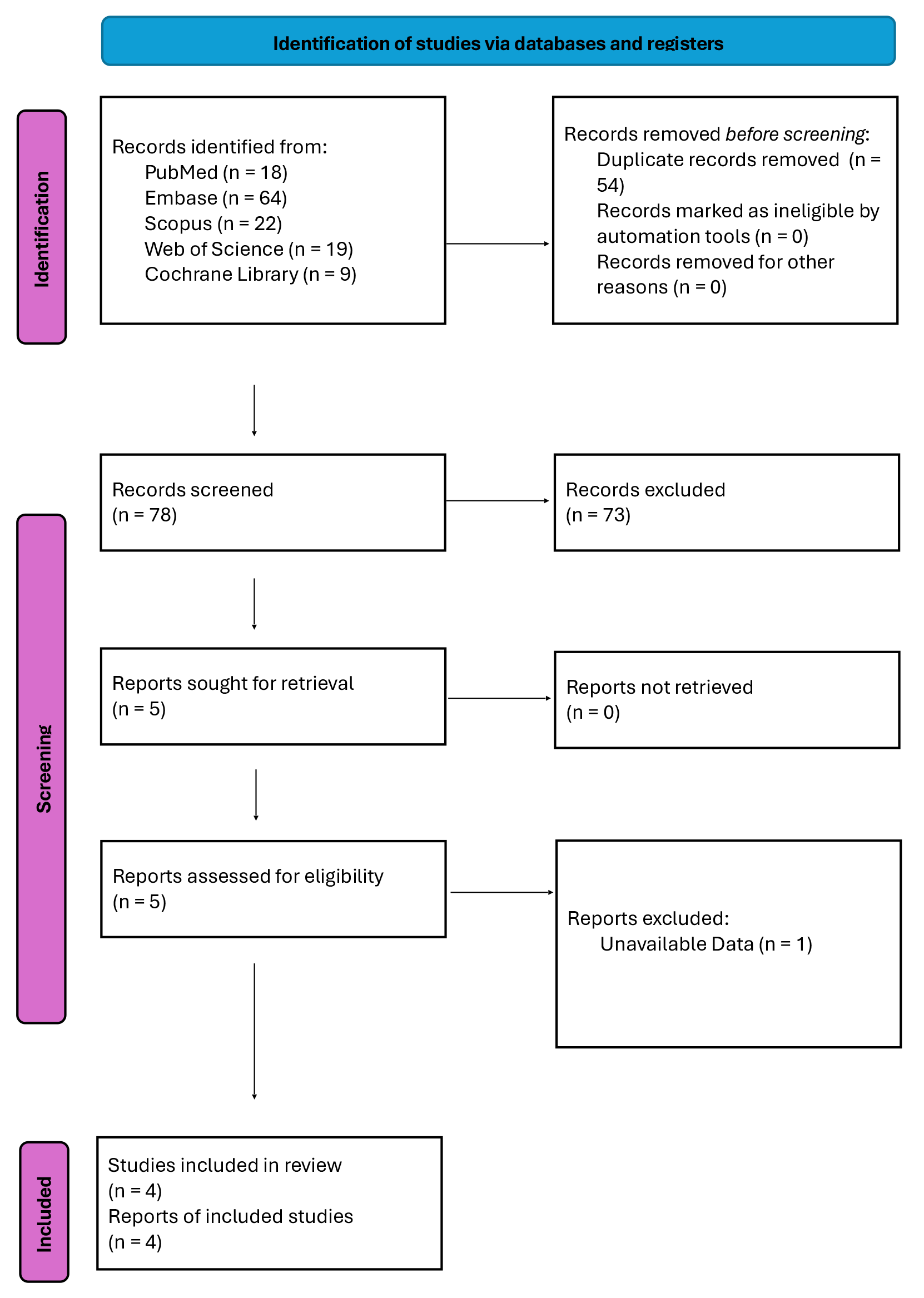
132 total studies were initially imported into Rayyan.ai, using the results retrieved from the search string across the five previously mentioned databases. Duplicates were detected using the artificial intelligence software; however, every detected duplicate was reviewed by two independent authors to confirm the software’s accuracy. Following duplicate deletion, 78 studies remained and were independently reviewed by two authors. Any disagreements between the two authors were determined by a third author. After thorough examination of the studies yielded from the initial database search, five studies were sought for retrieval, succesfully retrieved, and screened for inclusion. One was eliminated due to not meeting the inclusion criteria of having the mean and standard deviation regarding their data.
Data extraction
All data was extracted onto a Microsoft Excel sheet by five reviewers. The preoperative and postoperative sample size for each study group was collected. Postoperative DVT rates were collected as whole numbers. The mean and standard deviation regarding ages (years), BMI (kg/m2), baseline hematocrit (%), baseline hemoglobin (g/L), TBL (mL), operation time (minutes), 1 and 5-day calf girth (cm), 1 and 5-day knee ROM (degrees), and preoperative and 1 and 5-day VAS scores for each study group were collected.
Statistical analysis
The meta package in R Studio (version 4.2.1) was utilized to compare postoperative DVT rates via a single proportions test with a subgroup analysis using a random effects model. Additionally, R Studio was used for conducting unpaired T-tests regarding baseline differences (age, BMI, hematocrit, hemoglobin), operation time, TBL, postoperative ROM, and postoperative calf girth. The IBM Statistical Package for Social Sciences (SPSS) version 29 was utilized for VAS score comparison through a test of effect size with a subgroup analysis using a random effects model, analyzing the data for a Cohen’s d value and a p-value. Throughout our analysis, a Δ Cohen’s d value ≥ 0.80 was used to assess for clinically significant differences, and a p-value < 0.05 was used to assess for statistical significance.
Heterogeneity was assessed using I2, τ 2, χ2, and the heterogeneity p-value from the single proportions test conducted on the DVT rates, using a random effects model.
Risk of Bias and Certainty of Evidence Assessment
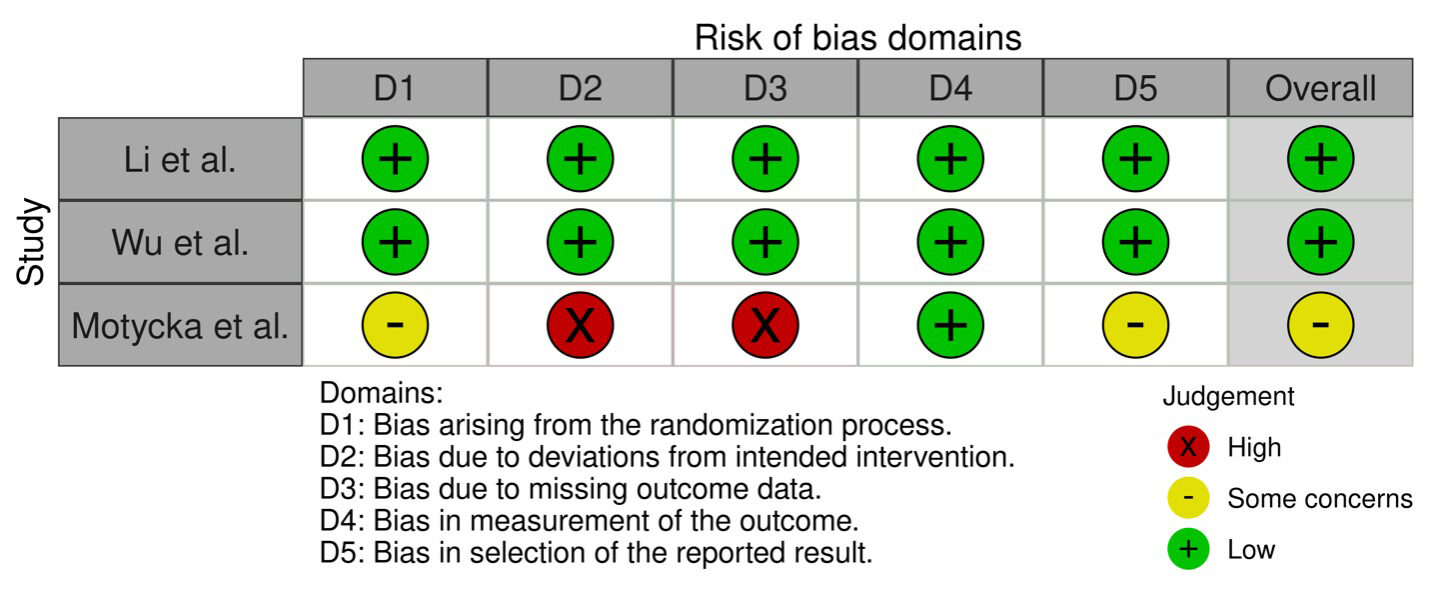
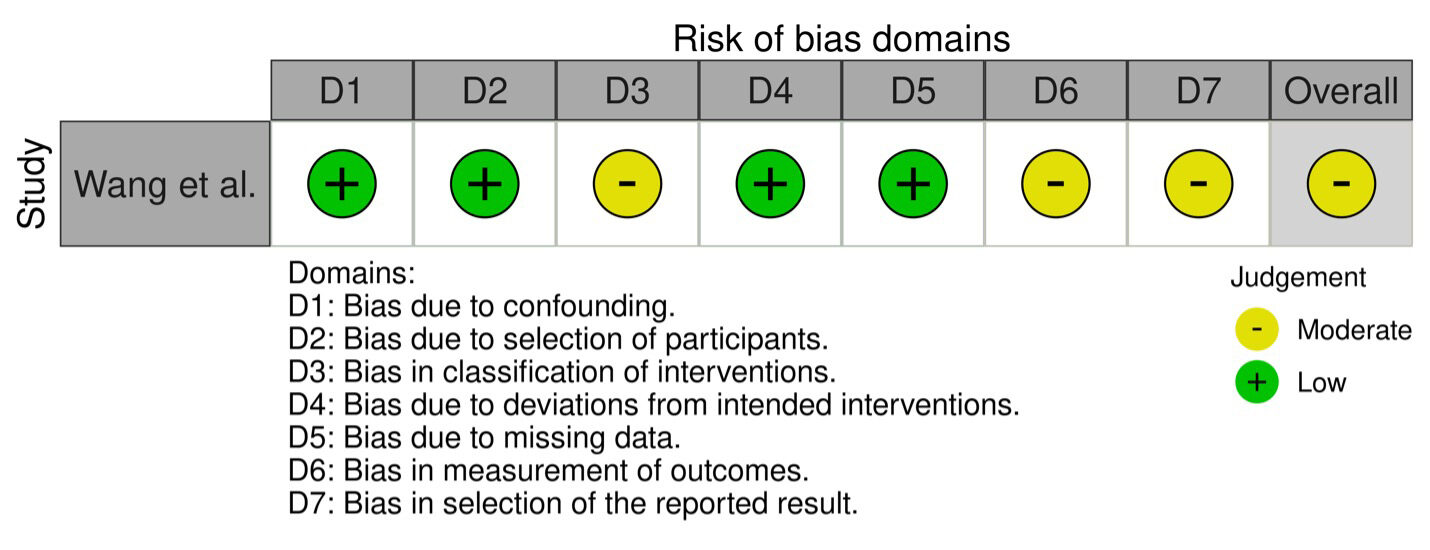
The quality of the articles included in this review and meta-analysis was evaluated via the modified Grading of Recommendations Assessment, Development and Evaluation (GRADE) criteria (Table 1). Bias in the articles was assessed by two authors. The RCTs included were subjected to evaluation according to the Risk of Bias-2 (RoB-2) tool, while the retrospective study was evaluated using the Risk Of Bias In Non-Randomized Studies-Intervention (ROBINS-I).
Results
Search Results
Four RCTs met the inclusion criteria and were included in our systematic review and meta analysis [5, 9, 10, 12]. A flow chart portraying the selection process has been presented in Figure 1.
Group Demographics
The included studies yielded an evaluation of 157 patients in the tourniquet group, and 146 patients in the NT group. The ages and BMIs for the tourniquet (55.0 ± 9.8 years, 25.2 ± 3.3 kg/m2, respectively) and NT groups (55.7 ± 10.1 years, 24.8 ± 3.64 kg/m2, respectively) did not portray any significant differences, controlling for possible confounding variables. Likewise, preoperative hematocrit (p = 0.4744), and hemoglobin (p = 0.1950) showed no significant differences between the two groups.
Effects of Intervention
TBL (p = 0.2935) showed no significant differences between the groups. However, the NT group portrayed a longer operation time (p = 0.0102), smaller 1-day (p = 0.0429) and 5-day (p = 0.0369) calf girth, greater 1-day (p = 0.0003) and 5-day (p = 0.0013) knee ROM, and lower 5-day (Δ Cohen’s d = 1.17, p < 0.0001, Figure 2) VAS scores than the tourniquet group. The tourniquet group resulted in lower 1-day postoperative VAS scores (Δ Cohen’s d = 0.75, p < 0.0001, Figure 3). Both interventions yielded comparable DVT rates (Tourniquet = 5%, NT = 1%, p = 0.3809, Figure 4).All data has been summarized in Table 1.
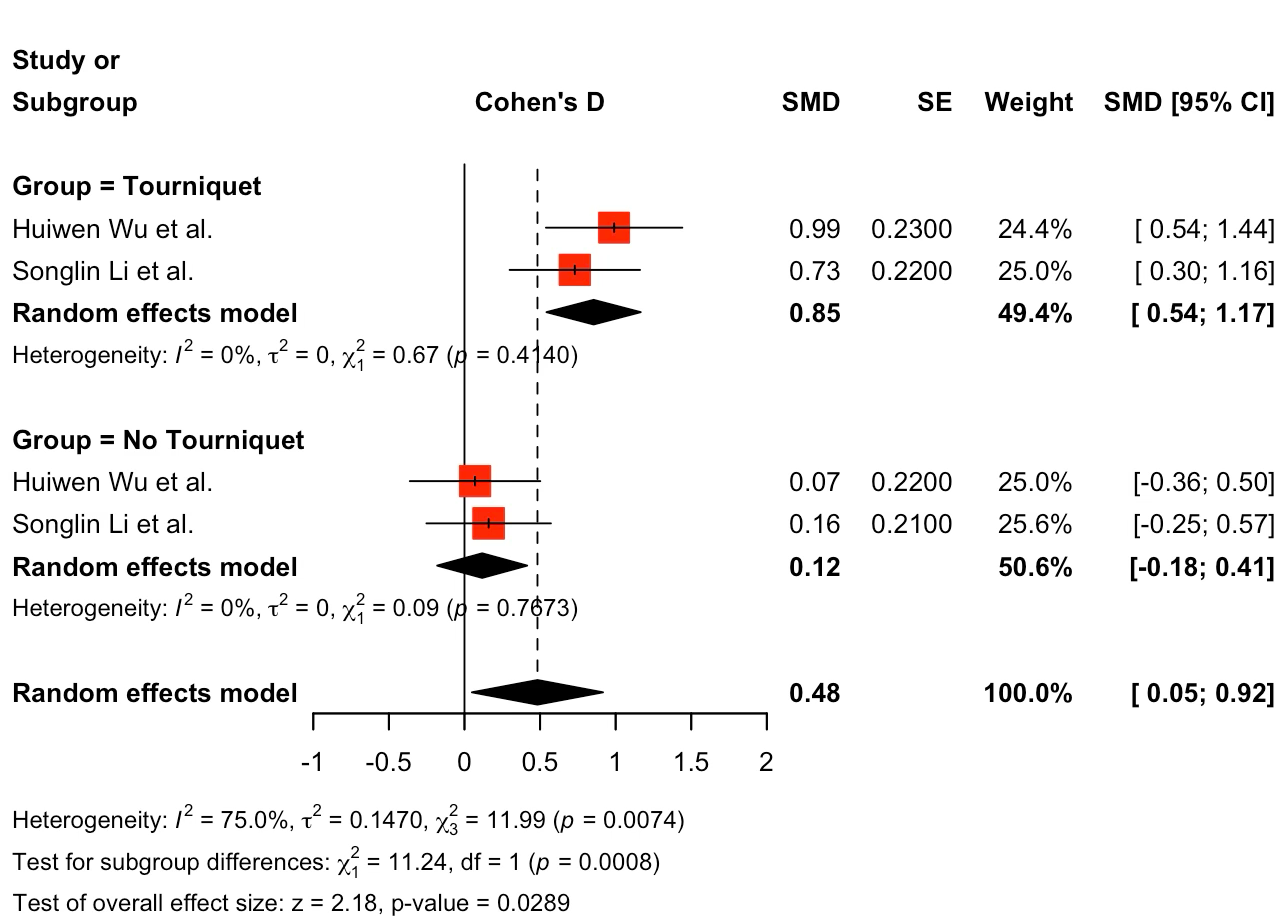
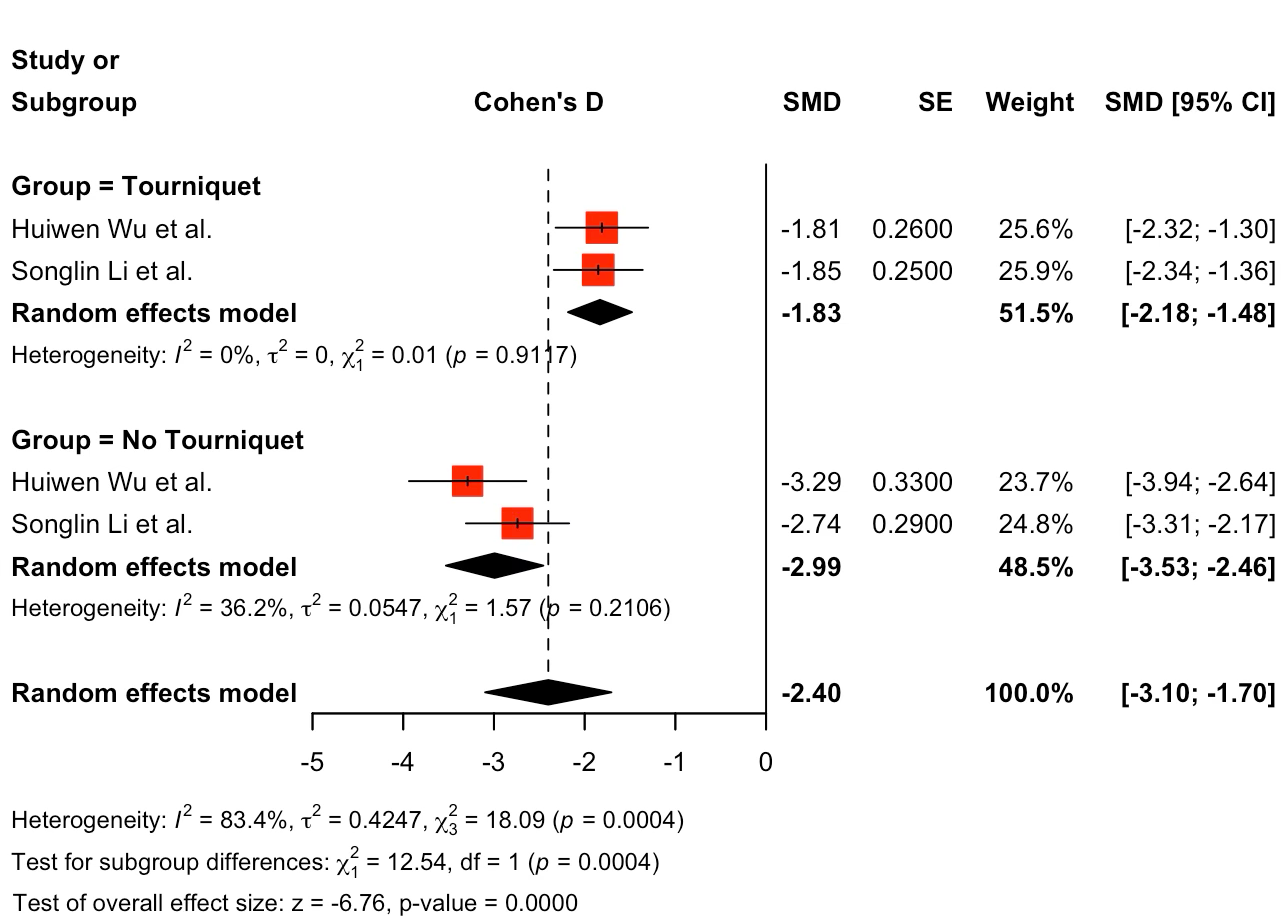
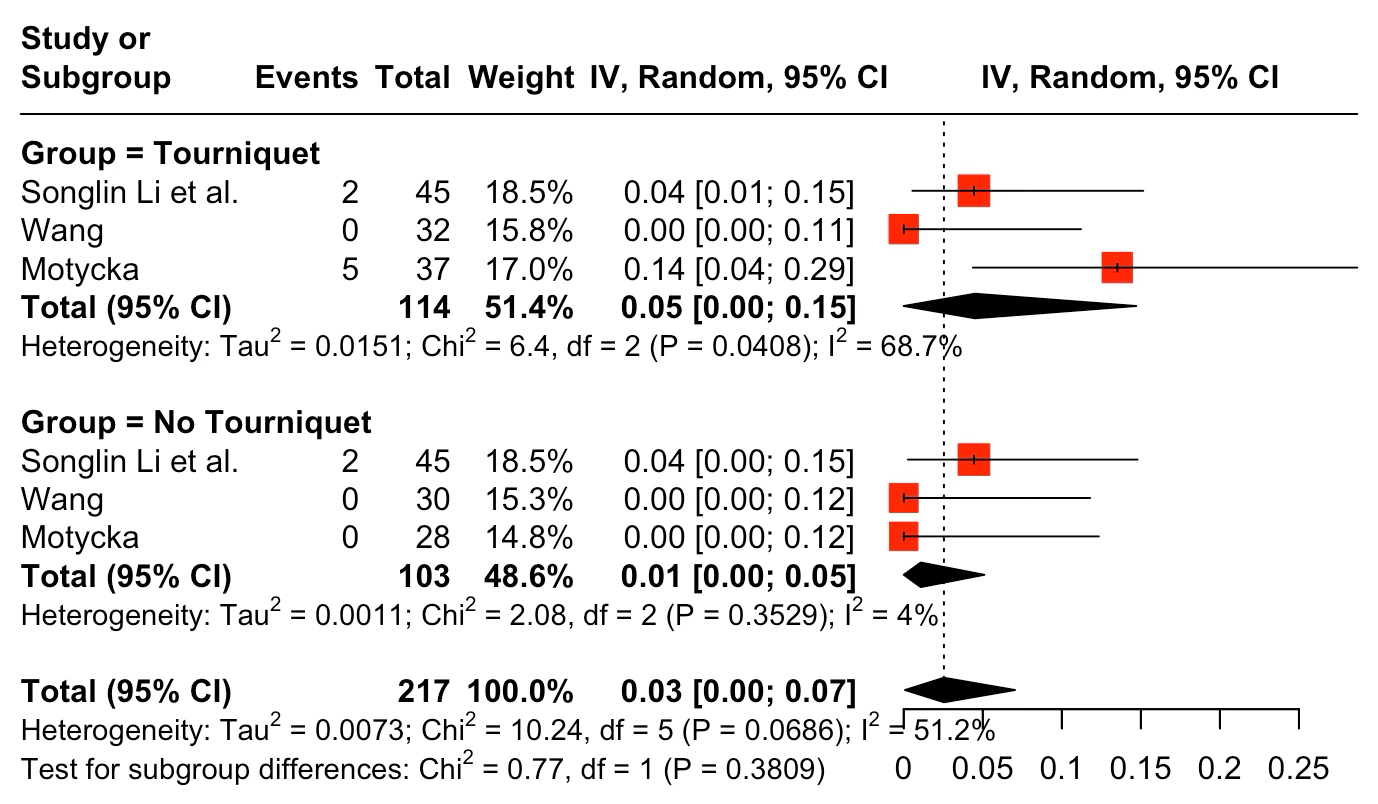
Table 1. Summary of the analyzed data between the tourniquet group and the NT group. Baseline BMI, hemoglobin, and hematocrit have been provided. The use of * signifies statistical significance. The use of red font signifies clinical significance. The data is presented in mean ± standard deviation unless otherwise indicated.
| Measure | Tourniquet | No Tourniquet | P-Value |
| Sample Size (N) | 157 | 146 | |
| Age (years) | 55.0 ± 9.8 | 55.7 ± 10.1 | 0.5879 |
| BMI (kg/m2) | 25.2 ± 3.3 | 24.8 ± 3.64 | 0.3572 |
| Hemoglobin (g/dL) | 136.6 ± 13.5 | 138.9 ± 13.8 | 0.1950 |
| Hematocrit (%) | 40.9 ± 4.5 | 41.3 ± 4.1 | 0.4744 |
| TBL (mL) | 283.1 ± 102.7 | 297.2 ± 103.9 | 0.2935 |
| Operation time (min) | 100.0 ± 24.8 | 107.6 ± 20.2 | 0.0102* |
| 1-Day Postoperative | |||
| ROM (°) | 89.04 ± 7.74 | 93.17 ± 7.09 | 0.0003* |
| Calf Girth (cm) | 39.04 ± 4.35 | 37.77 ± 3.90 | 0.0429* |
| VAS (Cohen’s d) | 0.85 | 0.12 | < 0.0289* |
| 5-Day Postoperative | |||
| ROM (°) | 108.23 ± 8.38 | 111.99 ± 6.82 | 0.0013* |
| Calf Girth (cm) | 38.68 ± 3.5 | 37.62 ± 3.18 | 0.0369* |
| VAS (Cohen’s d) | -1.83 | -2.99 | < 0.0001* |
| Postoperative | |||
| DVT Rates | 5% | 1% | 0.3809 |
Heterogeneity
Utilizing the data from the comparison of DVT rates, I2 = 51.2%, τ 2 = 0.0073, χ2 = 10.24, and the heterogeneity p = 0.0686.
Risk of Bias and Certainty of Evidence Assessment
A GRADE analysis portrayed three studies to be of “A” grade, and one study to be “B” grade. The findings of the GRADE analysis are reported in Table 2.
Table 2. A summary of the GRADE analysis for each included study
| Author | Year | Study Design | Risk of Bias | Inconsistency | Indirectness | Imprecision | Publication Bias | Grade |
| Li et al. | 2022 | RCT | Not serious | Not serious | Not serious | Not serious | Not serious | A |
| Wu et al. | 2024 | RCT | Not serious | Not serious | Not serious | Not serious | Not serious | A |
| Motycka et al. | 2000 | RCT | Not serious | Not serious | Not serious | Serious | Not serious | B |
| Wang et al. | 2021 | Retrospective Cohort | Not serious | Not serious | Not serious | Not serious | Not serious | A |
A RoB-2 analysis was conducted on the three included RCTs, yielding all domains of two included studies to be of low risk of bias, while the study conducted by Motycka et al. was found to have some concerns of bias. A ROBINS-I evaluation was completed on the retrospective cohort study by Wang et al., yielding a moderate level of bias. Each domain is presented in Figure 4 (RoB-2) and Figure 5 (ROBINS-I).
Summary of Findings
The details and summary of findings of each included study are found in Table 3.
SEE TABLE 3 HERE.
Discussion
Outcomes
In our analysis, we compared the effects of tourniquet use to NT use on the intraoperative and postoperative outcomes of HTO. Based on our analysis of four studies, we observed that the lack of a tourniquet led to longer operation times. This may be due to tourniquets reducing the amount of intraoperative bleeding and thus improving the visibility of the procedure. This, in turn, can allow surgeons to perform more efficiently [13]. However, despite the controlled intraoperative bleeding, there were no significant differences in TBL observed in this study. One potential explanation to this conclusion is rebound bleeding where bleeding persists upon tourniquet release.
Although tourniquet use may have potential intraoperative benefits, our findings suggest that the lack of a tourniquet results in superior postoperative outcomes. In our review, patients who underwent HTO without the use of a tourniquet portrayed a greater reduction of pain on the VAS 5 days postoperation. The same patients also yielded smaller calf girth, signifying less inflammation and edema, and increased ROM of the knee compared to the use of a tourniquet at 1 and 5-day follow-up. This may be explained by reperfusion injury following removal of the tourniquet, as evidenced by Ganjifard et al. [14]. Elevated levels of inflammatory cytokines, such as CRP and IL-6, could have led to greater capillary permeability resulting in greater fluid accumulation in local tissue, leading to an enlarged calf girth, and decreased knee ROM.
Compared to using a tourniquet during high tibial osteotomy, not using a tourniquet may lead to improved perioperative findings, including a greater reduction in pain, greater range of motion at the knee, and possible reduced edema of the calf. However, a sacrifice to not using a tourniquet during this procedure may be a longer operation time of appoximately eight minutes. Although significant, our findings must be used with caution as there were only four studies to be analyzed. As portrayed by only four studies being available for analysis in our review, it is evident that further head-to-head randomized controlled trials are needed in order to increase the sample size of subjects, and yield more definite results. Future, homogenous RCTs directly comparing the outcomes of tourniquet use to no tourniquet use during HTO are needed in order to increase the sample size and come to a stronger conclusion. Additionally, further RCTs should investigate the difference in calf girth between the operated leg and the non-operated leg, and have longer-term follow-ups, as the risk of DVT is increased up until three-months postoperatively [15].
Limitations
HTO without the use of a tourniquet is still gaining popularity and thus only a few perioperative studies are available for review. Our study includes a total of small sample size of 303 patients from four studies that have matched our criteria for a comparative analysis. Thus, our findings may be less generalizable to a larger scale.
Although our findings suggest an overall conclusion, a heterogeneity analysis of the DVT rates (I2 = 51.2%) suggest intrinsic differences between the included studies. Several factors could have contributed to the heterogeneity of the results. The studies included in this review used different tourniquet pressures. For instance, Li et al. set the cuff pressure to 45 kPa, whereas Wu et al. had a minimum target pressure of 100 mmHg (approximately 13.33 kPa). Furthermore, Li et al. explicity used post-operative pain relief medications, including oral celecoxib, intravenous flurbiprofen axetil, or morphine hydrochloride, and did not mention the use of post-operative exercise. On the contrary, Wu et al. explicitly used post-operative exercise and did not mention the use of post-operative pain relief medications. A final source of heterogeneity amongst our included studies may also be attributed to a difference in surgical experience.
Conclusion
Not using a tourniquet during HTO resulted in a longer time of operation. However, it resulted in reduced postoperative calf girth, greater knee ROM, and less pain at 5-days than using a tourniquet.
References
- Jiang X, Xie K, Han X, et al. HKA Angle-A Reliable Planning Parameter for High Tibial Osteotomy: A Theoretical Analysis Using Standing Whole-Leg Radiographs. J Knee Surg. 2022;35(1):54-60. doi:10.1055/s-0040-1712945
- Billings A, Scott DF, Camargo MP, Hofmann AA. High tibial osteotomy with a calibrated osteotomy guide, rigid internal fixation, and early motion. Long-term follow-up [published correction appears in J Bone Joint Surg Am 2000 Mar;82(3):450]. J Bone Joint Surg Am. 2000;82(1):70-79. doi:10.2106/00004623-200001000-00009
- Kolb W, Guhlmann H, Windisch C, Koller H, Grützner P, Kolb K. Opening-wedge high tibial osteotomy with a locked low-profile plate: surgical technique. J Bone Joint Surg Am. 2010;92 Suppl 1 Pt 2:197-207. doi:10.2106/JBJS.J.00188
- Huizinga MR, Brouwer RW, van Raaij TM. High tibial osteotomy: closed wedge versus combined wedge osteotomy. BMC Musculoskelet Disord. 2014;15:124. Published 2014 Apr 11. doi:10.1186/1471-2474-15-124
- Li OL, Pritchett S, Giffin JR, Spouge ARI. High Tibial Osteotomy: An Update for Radiologists. AJR Am J Roentgenol. 2022;218(4):701-712. doi:10.2214/AJR.21.26659
- Kolb W, Guhlmann H, Windisch C, Koller H, Grützner P, Kolb K. Opening-wedge high tibial osteotomy with a locked low-profile plate: surgical technique. J Bone Joint Surg Am. 2010;92 Suppl 1 Pt 2:197-207. doi:10.2106/JBJS.J.00188
- Ollivier B, Berger P, Depuydt C, Vandenneucker H. Good long-term survival and patient-reported outcomes after high tibial osteotomy for medial compartment osteoarthritis. Knee Surg Sports Traumatol Arthrosc. 2021;29(11):3569-3584. doi:10.1007/s00167-020-06262-4
- Li S, Zhang X, Liu M, et al. Not using a tourniquet is superior to tourniquet use for high tibial osteotomy: a prospective, randomised controlled trial [published correction appears in Int Orthop. 2022 Apr;46(4):929. doi: 10.1007/s00264-021-05297-7.]. Int Orthop. 2022;46(4):823-829. doi:10.1007/s00264-021-05246-4
- Wang L, Zhang Z, Xiong W, Fang Q, Tang Y, Wang G. Impact of tourniquet on short-term outcomes in opening wedge high tibial osteotomy with modern tranexamic acid protocols: a retrospective cohort study. BMC Musculoskelet Disord. 2021;22(1):931. Published 2021 Nov 8. doi:10.1186/s12891-021-04830-4
- Motycka T, Eggerth G, Landsiedl F. The incidence of thrombosis in high tibial osteotomies with and without the use of a tourniquet. Archives of orthopaedic and trauma surgery. 2000;120(3-4):157-159. doi:10.1007/s004020050034
- Page MJ, McKenzie JE, Bossuyt PM, et al. The PRISMA 2020 statement: an updated guideline for reporting systematic reviews. BMJ. 2021;372:n71. Published 2021 Mar 29. doi:10.1136/bmj.n71
- Wu H, Wang F, Deng S, et al. Comparison of the effects of high tibial osteotomy with and without a tourniquet. BMC Surg. 2024;24(1):388. Published 2024 Dec 19. doi:10.1186/s12893-024-02681-z
- Saied A, Ayatollahi Mousavi A, Arabnejad F, Ahmadzadeh Heshmati A. Tourniquet in surgery of the limbs: a review of history, types and complications. Iran Red Crescent Med J. 2015;17(2):e9588. Published 2015 Feb 18. doi:10.5812/ircmj.9588
- Ganjifard M, Kouzegaran S, Abdi R, et al. The Comparison of Inflammatory Cytokines between Spinal and General Anesthesia following Changes in Ischemic Reperfusion due to Tourniquet during Lower Limb Surgery. Adv Orthop. 2021;2021:2027421. Published 2021 Sep 9. doi:10.1155/2021/2027421
- Lee SY, Ro du H, Chung CY, et al. Incidence of deep vein thrombosis after major lower limb orthopedic surgery: analysis of a nationwide claim registry. Yonsei Med J. 2015;56(1):139-145. doi:10.3349/ymj.2015.56.1.139
- Loia MC, Vanni S, Rosso F, et al. High tibial osteotomy in varus knees: indications and limits. Joints. 2016;4(2):98-110. Published 2016 Aug 18. doi:10.11138/jts/2016.4.2.098
- Sheehy L, Felson D, Zhang Y, et al. Does measurement of the anatomic axis consistently predict hip-knee-ankle angle (HKA) for knee alignment studies in osteoarthritis? Analysis of long limb radiographs from the multicenter osteoarthritis (MOST) study. Osteoarthritis Cartilage. 2011;19(1):58-64. doi:10.1016/j.joca.2010.09.011
- Ayet CAB, Mancino F, Lim YP, Qian K, Jacob G, Parker DA. Satisfactory 10-year survivorship of medial opening wedge high tibial osteotomy for isolated medial compartment osteoarthritis and varus alignment: An analysis from a high-volume institution. Knee Surg Sports Traumatol Arthrosc. 2025;33(5):1804-1814. doi:10.1002/ksa.12633
- Gkekas NK, Komnos GA, Mylonas T, Chalatsis G, Koutalos AA, Hantes ME. Medial open wedge high tibial osteotomy is a viable option in young patients with advanced arthritis in a long-term follow-up. Knee Surg Sports Traumatol Arthrosc. 2025;33(3):1025-1032. doi:10.1002/ksa.12469
- Mabrouk A, Risebury M, Yasen S. Medial opening wedge high tibial osteotomy performs similarly irrespective of body mass index. Knee Surg Sports Traumatol Arthrosc. 2024;32(9):2328-2341. doi:10.1002/ksa.12317
- Ollivier M, Claes S, Mabrouk A, et al. Surgical strategy and complication management of osteotomy around the painful degenerative varus knee: ESSKA Formal Consensus Part II. Knee Surg Sports Traumatol Arthrosc. 2024;32(8):2194-2205. doi:10.1002/ksa.12273